Year 2026 Articles

Year 2026 Articles
coco_kitoai
coco_kitoai

coco_kitoai

Interac is Japan’s largest private provider of ALT’s, and our mission is to enrich people’s lives through the sharing of languages and cultures. We bring the world closer together — one student, one school, one community at a time.

Frequently Asked Questions (ALT) Assistant Language Teacher
Chūbu Region Japan

Frequently Asked Questions (ALT) Assistant Language Teacher

Interac is Japan’s largest private provider of ALT’s, and our mission is to enrich people’s lives through the sharing of languages and cultures. We bring the world closer together — one student, one school, one community at a time.

ALT Cost Essentials
Chūbu Region Japan

ALT Cost Essentials How much does it cost to move to Japan?

Interac is Japan’s largest private provider of ALT’s, and our mission is to enrich people’s lives through the sharing of languages and cultures. We bring the world closer together — one student, one school, one community at a time.

Assistant Language Teacher (ALT) Jobs in Japan

Interac is Japan’s largest private provider of ALT’s, and our mission is to enrich people’s lives through the sharing of languages and cultures. We bring the world closer together — one student, one school, one community at a time.

How to Apply as an ALT in Japan
Chūbu Region Japan

How to Apply as an ALT in Japan

Interac is Japan’s largest private provider of ALT’s, and our mission is to enrich people’s lives through the sharing of languages and cultures. We bring the world closer together — one student, one school, one community at a time.

How to Apply as an ALT in Japan
Chūbu Region Japan

template

Interac is Japan’s largest private provider of ALT’s, and our mission is to enrich people’s lives through the sharing of languages and cultures. We bring the world closer together — one student, one school, one community at a time.

Teach English in Japan with Interac
Chūbu Region Japan

Teach English in Japan with Interac

Interac is Japan’s largest private provider of ALT’s, and our mission is to enrich people’s lives through the sharing of languages and cultures. We bring the world closer together — one student, one school, one community at a time.

Passengers evacuated from ANA plane in Okinawa after midair engine trouble
National News Articles

Passengers evacuated from ANA plane in Okinawa after midair engine trouble

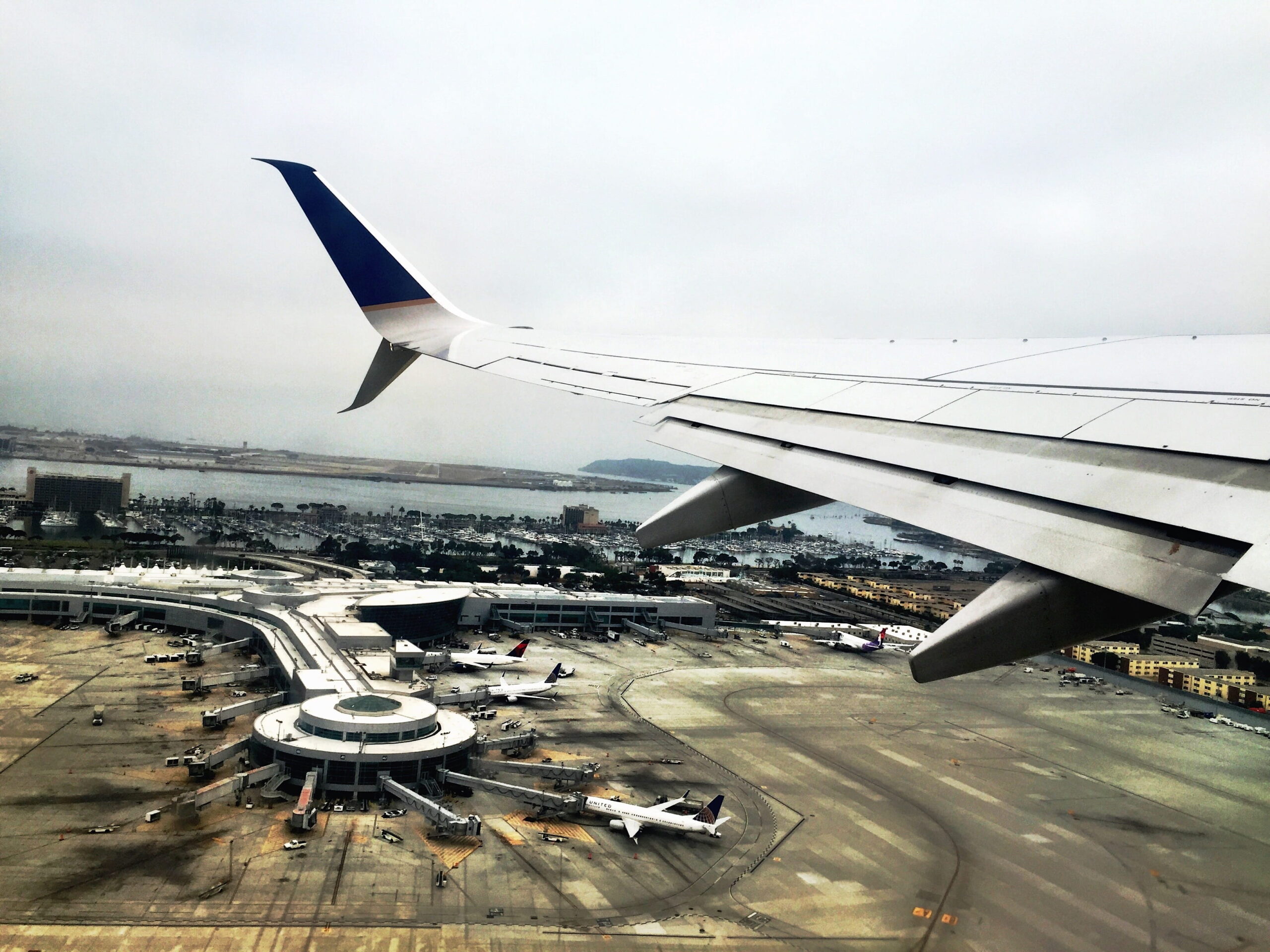
Passengers Evacuated From ANA Plane in Okinawa After Engine Trouble Midair Passengers and crew were evacuated from an All Nippon Airways aircraft at Naha Airport in Okinawa after the plane developed an engine problem shortly after taking off for Saga Prefecture on Wednesday night. The Boeing 737-800 was carrying 152 passengers, including four infants, and six crew members when the problem occurred. The aircraft returned to Naha Airport after the crew detected an abnormal indication involving the right engine. After landing, everyone on board left the aircraft using emergency evacuation slides on the taxiway. Three passengers suffered minor injuries, according to ANA. Engine Problem Detected Shortly After Takeoff ANA Flight 1502 departed Okinawa’s Naha Airport on Wednesday evening bound for Saga Airport in Saga Prefecture on Kyushu. The aircraft had been in the air for about 20 minutes when the crew received an indication that the oil temperature in the right engine was abnormally high. The crew subsequently shut down the affected engine and requested priority handling from air traffic control. The aircraft then turned back towards Naha Airport rather than continuing its planned journey to Saga. ANA said the aircraft landed safely at Naha shortly after 10 p.m. The airline’s account said the engine issue occurred while the aircraft was flying over the area around Naha Airport. There was no report of fire or smoke from the aircraft. The exact cause of the engine problem was not immediately established and was to be investigated by the airline and aviation safety authorities. Emergency Evacuation Was Carried Out on the Taxiway Although the aircraft landed safely, an emergency evacuation was carried out after it reached the ground. Passengers and crew members exited through the emergency slides and were evacuated onto the airport taxiway. ANA confirmed that all 152 passengers and six crew members left the aircraft. Three passengers sustained minor injuries, described as scratches, during the incident. The evacuation meant that passengers had to leave the aircraft quickly rather than simply remaining seated while the plane was moved to a normal parking position. Emergency slides were deployed to allow people to exit the aircraft onto the taxiway. The incident was subsequently treated by Japanese authorities as more than an ordinary aircraft malfunction because of the circumstances surrounding the engine problem and emergency evacuation. Transport Ministry Classifies Incident as Serious Japan’s Ministry of Land, Infrastructure, Transport and Tourism classified the incident as a serious incident. Under Japan’s aviation safety system, that classification is used for an event that could have resulted in an accident even when an actual accident does not occur. The Japan Transport Safety Board is investigating what happened. Three aircraft accident investigators were appointed on Thursday and were scheduled to travel to Naha Airport on Friday as part of the investigation. The investigators will examine the aircraft, the engine indications recorded during the flight and other available information to determine what caused the abnormal engine condition. The investigation is also expected to examine the sequence of events from the initial engine indication through the decision to shut down the engine, return to Naha and evacuate the aircraft after landing. Flight Had 152 Passengers and Six Crew The aircraft was carrying 152 passengers, including four infants. Six crew members were also aboard, consisting of the pilots and cabin crew responsible for operating the flight and assisting passengers. The flight was travelling from Okinawa to Saga, a route connecting Japan’s southern island prefecture with Saga Prefecture on Kyushu. Instead of continuing towards its destination, the aircraft returned to the airport from which it had departed. The aircraft was a Boeing 737-800, a widely used narrow-body passenger aircraft. ANA operates the type on domestic routes within Japan. The incident occurred at approximately 9:19 p.m. on September 23, according to ANA’s account. The aircraft subsequently returned to Naha after the crew requested priority handling from air traffic control. Passengers Reported a Sudden Problem During the Flight Passengers described a worrying experience as the aircraft returned to Okinawa. One passenger interviewed in subsequent reporting recalled hearing a loud sound while the aircraft was in the air. Another passenger said that there was concern that the aircraft could crash before it returned safely to Naha. The aircraft nevertheless completed the return flight and landed without a crash or fire. The emergency evacuation following the landing added another difficult stage to the incident. Passengers had to leave the aircraft using emergency slides instead of disembarking normally through the airport terminal. The three reported injuries were minor, with ANA saying that passengers suffered injuries such as scratches. No fatalities were reported. ANA Apologizes Following Incident ANA issued an apology to the passengers who were on board and to others affected by the incident. The airline said that passenger and crew safety remained its highest priority. The company also said it would fully cooperate with the Japan Transport Safety Board investigation into the cause of the incident. ANA said it would provide further information as it became available. The airline’s initial notice confirmed that the aircraft experienced an issue with one of its engines while flying over the Naha Airport area. After receiving priority handling, the aircraft returned and landed safely. ANA’s notice also confirmed that the Ministry of Land, Infrastructure, Transport and Tourism officially classified the event as a serious incident at 10:45 p.m. on September 23. Investigation Will Determine Cause of Engine Problem The precise reason for the abnormal oil-temperature indication remained under investigation. An engine warning or abnormal indication can have several possible causes, so investigators will need to examine the aircraft and relevant technical records before reaching conclusions. The fact that the right engine was shut down was part of the crew’s response to the abnormal indication. Modern commercial aircraft are designed to continue flying after the loss of one engine, allowing pilots to return to an airport or divert to another suitable airport when necessary. In this case, the crew returned to Naha and the aircraft landed safely. The subsequent emergency evacuation

Japans new delicious dark horse sweet potato dessert drink is waiting at a beef bowl chain
Business News Articles

Japans new delicious dark horse sweet potato dessert drink is waiting at a beef bowl chain

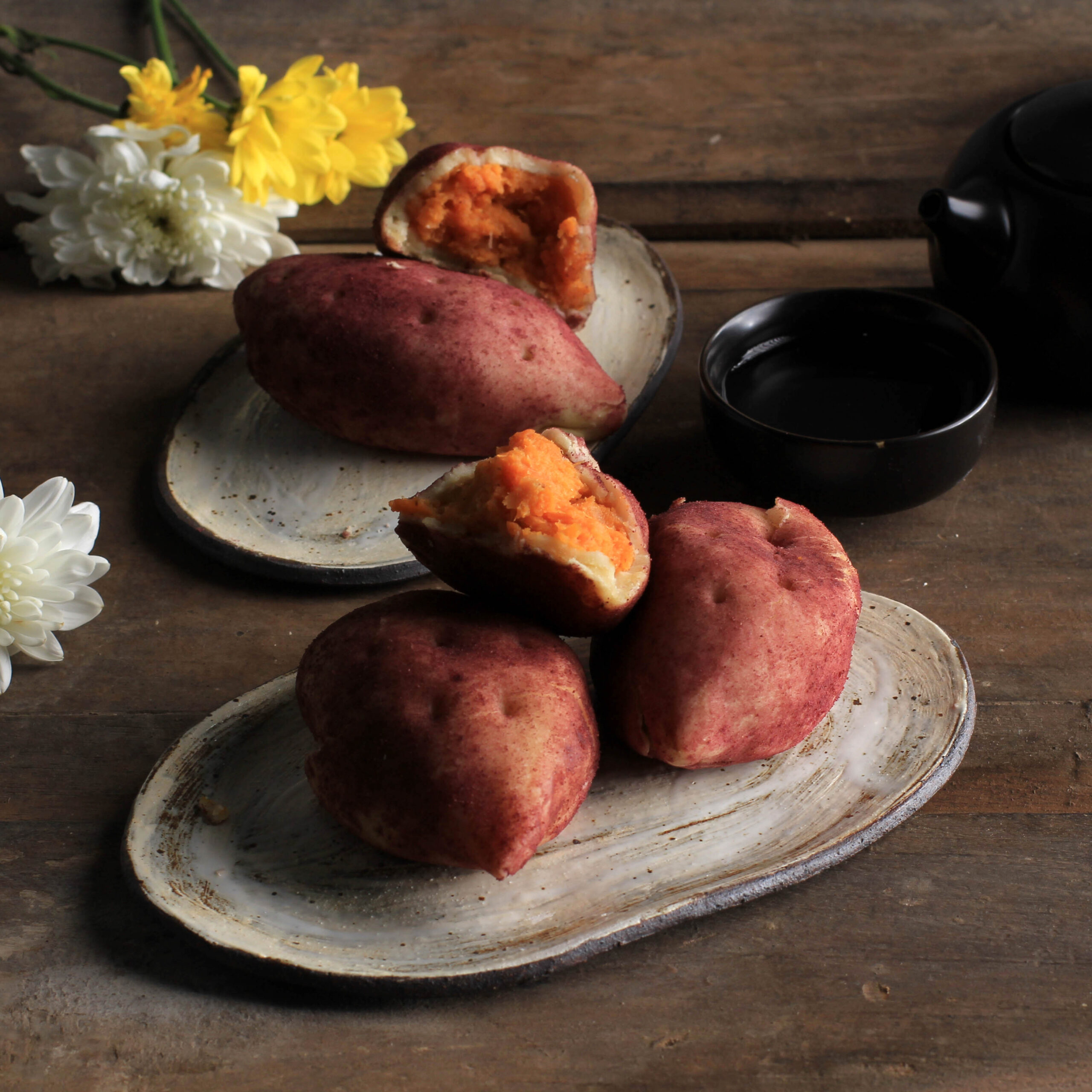
Japan’s Sweet Potato Shake Is the Unexpected Dessert Hit at a Major Beef Bowl Chain Sweet potato season has arrived in Japan, bringing with it a familiar wave of autumn-flavored desserts and drinks. While coffee shops and specialist dessert stores regularly embrace roasted sweet potato flavors at this time of year, one of the more unexpected places to find a sweet potato treat is a major beef bowl restaurant chain. Sukiya, one of Japan’s best-known gyudon chains, has added a seasonal sweet potato shake to its Suki Cafe drinks lineup. The new drink combines a creamy vanilla base with a sweet potato sauce made using beniharuka sweet potatoes from Ibaraki Prefecture, creating a dessert drink that is quite different from the savory beef bowls for which the chain is known. The limited-time drink went on sale on September 8, arriving as Japan moves into the part of the year when roasted sweet potatoes become a particularly popular flavor. The drink is called a yakiimo Suki Shake, with yakiimo referring specifically to Japanese roasted sweet potatoes. A Sweet Potato Drink at a Beef Bowl Chain Sukiya is one of Japan’s three major gyudon chains, alongside Yoshinoya and Matsuya. Its restaurants are primarily associated with inexpensive bowls of rice topped with simmered beef and onions, making a sweet dessert shake an unusual addition to the menu. The chain has nevertheless developed a dessert and drink selection under the Suki Cafe name. Among those products are Suki Shakes, which provide Sukiya with a way to offer customers something sweet alongside its main meals. The latest seasonal flavor takes advantage of one of Japan’s most recognizable autumn ingredients. Sweet potatoes are widely enjoyed in Japan, particularly in their roasted form, and the flavor regularly appears in seasonal sweets and drinks. That makes the new shake a natural seasonal product even if the idea of ordering one at a beef bowl restaurant may initially seem surprising. Beniharuka Sweet Potatoes From Ibaraki The sweet potato component of the shake is made with beniharuka grown in Ibaraki Prefecture. Beniharuka is known for its high sweetness, making it particularly suitable for desserts and sweet drinks. Rather than simply adding pieces of sweet potato to a milkshake, Sukiya uses a sweet potato sauce. The sauce is combined with the vanilla base, producing a marbled appearance inside the drink. The choice of beniharuka is important because the variety is naturally very sweet. That sweetness gives the drink its roasted sweet potato character while working with the creamy vanilla flavor rather than overpowering it. The result is intended to evoke the flavor of a freshly roasted Japanese sweet potato while presenting it in a cold, drinkable dessert. The Vanilla Base Comes First The Suki Shake starts with a vanilla-based mixture. The first flavor is therefore closer to a conventional creamy vanilla shake before the sweet potato component becomes more prominent. The creamy texture makes the drink resemble soft-serve ice cream in both consistency and flavor. The vanilla sweetness provides a relatively familiar starting point before the roasted sweet potato sauce begins to make its presence known. That combination is important because sweet potato can sometimes be a subtle flavor in desserts. Here, the richness of the vanilla base gives the sweet potato sauce something to contrast with, creating a layered taste rather than a single dominant flavor. The marbled presentation also means that different sips can contain slightly different proportions of the two flavors. The Sweet Potato Sauce Adds More Than Flavor The sweet potato sauce brings a concentrated sweetness to the drink. Its texture is also part of the experience, with a sticky quality that recalls the caramelized sugars found on roasted sweet potatoes. Roasting sweet potatoes causes their natural sugars to become particularly noticeable, and that caramel-like sweetness is one of the characteristics associated with Japanese yakiimo. The sauce attempts to reproduce some of that sensation in the shake. Instead of tasting like an ordinary vanilla milkshake with a faint vegetable flavor added to it, the drink has a more recognizable roasted sweet potato character. That sweetness also makes the shake function more like a dessert than a conventional accompaniment to a meal. There Is a Crunchy Topping Too The drink is finished with crushed pieces of imo kenpi. These are thin pieces of sweet potato that have been fried or otherwise prepared to produce a crisp texture and coated with sugar. Adding the pieces to the top of the shake gives the drink something that a normal milkshake does not have: a crunchy element. The contrast between the cold, creamy drink and the crisp sweet potato pieces makes the dessert more interesting to eat and drink. The topping also reinforces the sweet potato flavor rather than introducing an unrelated ingredient. The combination of vanilla, sweet potato sauce and crunchy imo kenpi means that the drink has several different textures and flavors despite being served in a relatively simple format. A Seasonal Flavor That Fits Japan’s Autumn Sweet potatoes have a strong association with autumn in Japan. As temperatures begin to fall, roasted sweet potatoes become a familiar seasonal food, and the flavor appears in products ranging from cakes and pastries to ice creams and drinks. Major chains regularly create limited-time autumn products around the ingredient. Coffee shops and dessert businesses often use sweet potato as a seasonal flavor because it is familiar to Japanese consumers while also offering plenty of opportunities for new combinations. Sukiya’s decision to use sweet potato in a shake follows that same seasonal pattern, but places the product in a very different setting from a specialist cafe. Customers who might normally associate Sukiya with gyudon can therefore encounter a dessert drink based on one of Japan’s most recognizable autumn foods. From Beef Bowls to Dessert The addition of the shake demonstrates how major Japanese fast-food chains increasingly offer more than the core products for which they are known. Sukiya’s main business remains gyudon, but its Suki Cafe selection gives customers additional options for


More tech and hand-breaded chicken coming to McDonald's as part of $8.5 billion modernisation push
Business News Articles

More tech and hand-breaded chicken coming to McDonald’s as part of $8.5 billion modernisation push

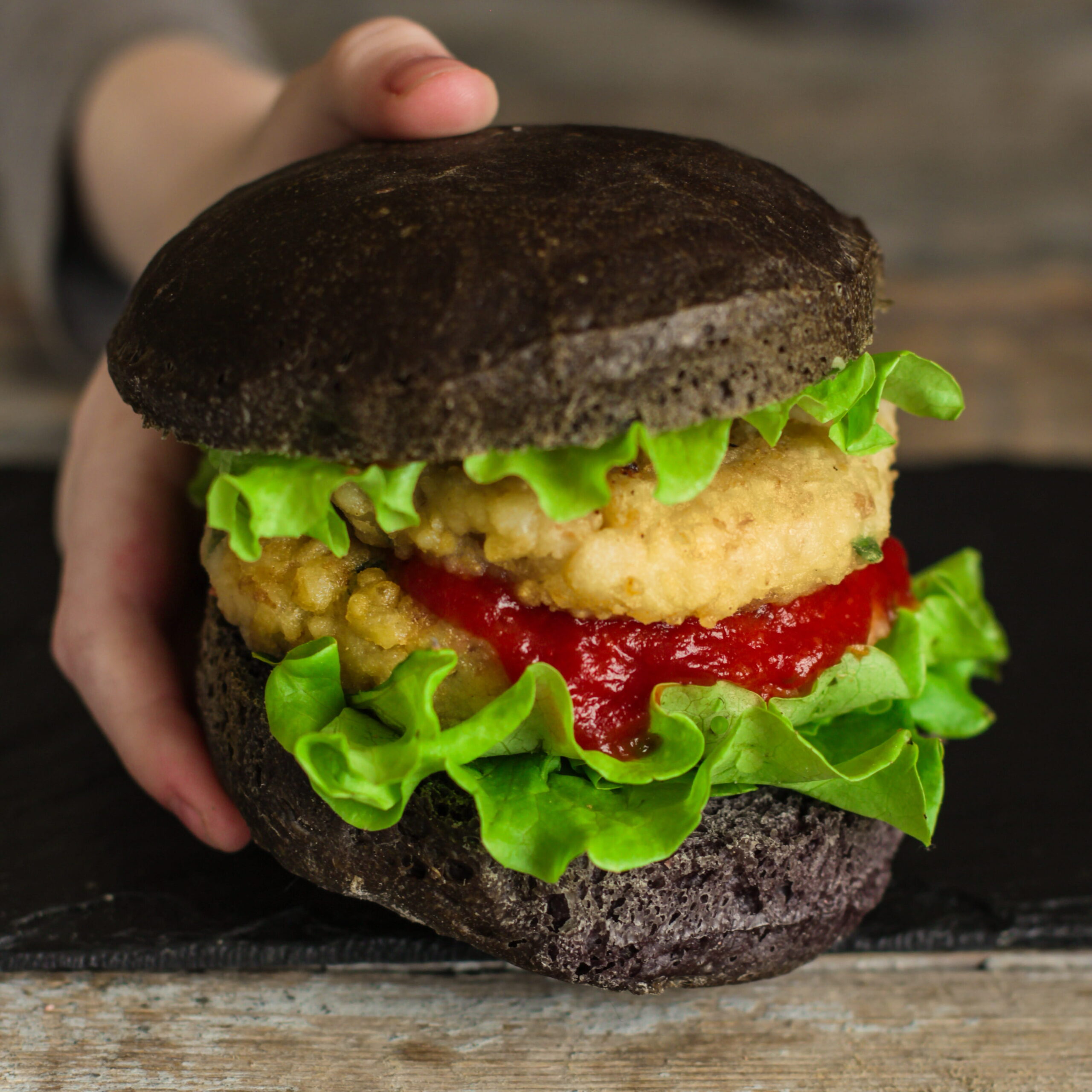
McDonald’s Plans $8.5 Billion Modernization of Restaurants Through 2036 McDonald’s has announced plans to invest approximately $8.5 billion through 2036 as the fast-food giant seeks to modernize its restaurants, improve operations and adapt to changing customer expectations. The Chicago-based company announced the investment on September 23, 2026, as part of its new McDonald’s NEXT strategy. The programme is intended to support restaurant modernization, technology deployment and operational improvements across the company’s global system. McDonald’s said approximately $5 billion of the planned support will be provided through 2030, with the remaining investment extending through 2036. The company expects the programme to involve a combination of capital support and rent relief for franchisees. The announcement comes as McDonald’s looks for ways to increase customer traffic while also making restaurants more efficient. The company operates in a fast-food market where competition remains intense and where customers are increasingly looking for convenience, value and a wider range of food choices. A Decade of Restaurant Modernization The $8.5 billion programme is focused partly on updating the physical restaurants where customers place and receive their orders. McDonald’s says the modernization programme will include changes designed to improve the experience for customers as well as the working environment for restaurant crews. Among the changes being introduced are lockers for delivery orders. The lockers are intended to make it easier for restaurants to handle the growing volume of delivery orders while keeping the collection process organized. Restaurants will also receive changes to their coffee preparation areas. McDonald’s plans to make coffee preparation more visible to customers, with the company saying that this can help reinforce perceptions of freshness and quality. Some restaurants will also receive larger play areas. The changes are therefore not limited to kitchen equipment and technology. McDonald’s is also looking at how restaurant layouts can be changed to provide different experiences for customers using its locations. Kitchen Layouts Will Also Change Behind the counter, McDonald’s plans to make changes to kitchen layouts as part of the modernization programme. The objective is to make restaurants more efficient while allowing employees to handle orders more effectively. Improving the kitchen is particularly important as McDonald’s continues to handle orders through several different channels. Customers can order at the counter, through self-service kiosks, mobile applications, drive-thrus and delivery services. A restaurant that was originally designed primarily around counter service has therefore had to accommodate a much more complicated flow of orders. McDonald’s modernization plans are intended to address some of those changes. The company is also expanding the use of technology designed to improve order accuracy. McDonald’s said scales that help ensure orders are prepared correctly are already being used at around 10,000 restaurants globally. The company plans to have those scales in approximately 20,000 restaurants by 2028. The technology is intended to help employees check orders and reduce mistakes before food reaches customers. Artificial Intelligence Will Play a Bigger Role Technology is another major part of the modernization programme. McDonald’s is accelerating the deployment of its ArchIQ system, which was developed with Google. ArchIQ is designed to use artificial intelligence to improve restaurant operations. Among other functions, the system can help with tasks such as inventory management and employee scheduling. The increased use of artificial intelligence reflects a broader effort by McDonald’s to automate some administrative tasks and provide restaurant operators with more information that can be used to manage their businesses. For a company with tens of thousands of restaurants around the world, even relatively small improvements in inventory, scheduling and order accuracy can have an impact across the wider system. McDonald’s says its NEXT strategy will combine globally developed technology with local decision-making. Markets will determine how and when different initiatives are introduced, taking account of local circumstances and the ability of franchisees to invest. Franchisees Will Share the Investment Although McDonald’s is providing significant financial support, franchisees will also be required to invest in restaurant improvements. McDonald’s franchisees typically spend as much as $450,000 over a decade on required restaurant remodels. Under the new modernization programme, franchisees are expected to spend an additional $800,000. McDonald’s says it will contribute toward part of that additional cost through the support included in the $8.5 billion programme. The company estimates that the investments will provide franchisees with an approximately four-year payback after the financial support is taken into account. McDonald’s also estimates that the operational improvements will produce approximately 250 basis points of gross restaurant-level efficiency gains. The company says that this would be equivalent to roughly $100,000 in annual cash-flow benefits for the average U.S. restaurant, with most of that benefit expected to eventually reach the restaurant’s bottom line. McDonald’s Wants More Customers to Choose Its Restaurants The modernization programme is part of a broader attempt by McDonald’s to increase its share of the food and beverage market. Under its NEXT strategy, McDonald’s has set a target of gaining 1.5 percentage points of market share in both the chicken and beverage categories by 2030, while maintaining its existing leadership position in beef. That means the company is looking beyond its traditional hamburger business. Chicken and drinks are important areas where McDonald’s sees opportunities to attract customers who may otherwise choose competing restaurants. The company also wants to improve the way restaurants operate once customers arrive. The strategy therefore combines efforts to generate more demand with efforts to make restaurants faster and more productive. New Food Options Are Planned Food is another part of McDonald’s response to changing customer preferences. The company plans to introduce grilled chicken sandwiches and wraps while also experimenting with products such as egg bites and bowls. These products are intended to broaden the range of choices available to customers, particularly those looking for meals that emphasize protein or are perceived as lighter alternatives to some traditional fast-food items. McDonald’s USA President Sky Anderson said that approximately 60 million Americans are actively seeking more protein in their diets. The company therefore sees an opportunity to develop menu items that respond to that demand.

Most Popular
Sponsor
Discount up to 45% for this road trip this month.
Special story from Japan

30 Japan Experiences to Add to Your Bucket List

Arcu luctus accumsan nisl sociosqu eu quisque. Parturient ex purus lectus porttitor taciti sollicitudin congue. Torquent nulla semper augue imperdiet pretium dapibus tellus bibendum. In lacinia curabitur integer efficitur mollis.

Ullamcorper convallis orci turpis ligula lectus blandit non consectetur mattis ipsum ridiculus. Penatibus condimentum posuere quam mollis letius efficitur. Ad cubilia gravida nec semper proin egestas imperdiet maximus sagittis diam sed. Porttitor est ad per suscipit sociosqu eros.

Latest Article
Sponsor
Discount up to 45% for this road trip this month.